February 2026 Compliance Updates

Effective State Changes

NEW YORK

Senate Bill 8416, the “Fostering Affordability and Integrity Through Reasonable Business Practices Act”, makes it illegal for businesses to engage in any unfair, deceptive, or abusive act or practice while providing services and expands the state attorney general’s authority to enforce those provisions. Effective February 17, 2026.

OHIO

Ohio Admin. Code § 4501:1-6-12 changes the name of the Convenience Fee in Ohio to the Registration and Titling Service Fee. Additionally, motor vehicle dealers will now be able to charge consumers for mailing any registration or title work to their place of residence. Effective March 1, 2026.

UTAH

House Bill 47 requires a vehicle owner to maintain liability insurance on a vehicle if the vehicle is operated on a highway, not merely registered with the State of Utah. Effective May 6, 2026.

2025 Year in Review – Compliance Updates

2025 Year in Review & Upcoming Changes in 2026

State Updates (2025)

ARKANSAS

  • HB 1845 authorizes the Office of Motor Vehicle to establish an electronic lien, title, and registration system. Effective upon certification by the Office.

DELAWARE

  • HB 164 institutes an additional registration fee on owners of alternative fuel-type motor vehicles. Effective October 1, 2025.

GEORGIA

  • SB 81 provides new protections for consumer data linked to motor vehicle sales or leases. Effective July 1, 2025.

HAWAII

  • SB 1367 reorganizes and clarifies a number of provisions of Hawaii’s installment loans law. Effective July 1, 2025.

ILLINOIS

  • As published in Company Bulletin 2025-14 by the Illinois Department of Insurance, the updated prima facie credit insurance rates became effective August 21, 2025.

INDIANA

  • As published in Bulletin 277 in December 2024, the Indiana Insurance Commissioner adjusted credit insurance rates effective January 1, 2025.
  • The Auto Dealer Services Division of the Indiana Secretary of State announced an adjusted maximum Documentation Preparation Fee of $251.05. Effective July 1, 2025.

IOWA

  • ARC 8727C is a regulation promulgated by the Revenue Department of Iowa clarifying the one-time fee due for a new registration of a motor vehicle. Effective April 23, 2025.

KENTUCKY

  • SB 136 requires the Kentucky Transportation Cabinet to transition to solely store motor vehicle titles electronically. Effective, in part July 1, 2025.
  • SB 145 allows the holder of a motor vehicle retail installment contract to collect a delinquency charge in certain circumstances. Effective June 26, 2025.

LOUISIANA

  • HB 476 establishes an annual adjustment to the credit investigative fee for motor vehicle purchases. Effective August 1, 2025.
  • HB 582 requires the Office of Financial Institutions to annually calculate a new outstanding principal balance allowed for deferred presentment transactions and small loans. Effective August 1, 2025.

MAINE

  • The Department of Administrative and Financial Services issued regulations governing the collection and remittance of sales and use taxes on vehicle leases. Effective January 1, 2025.
  • LD 68 amends the tax laws by modifying the watercraft sales tax exemption to not apply to the lease or rental of a watercraft to a nonresident. Effective June 19, 2025.

MARYLAND

  • The Department of Transportation amended and adopted new regulations requiring owners of a plug-in electric vehicle to pay an annual surcharge. Effective May 26, 2025.
  • HB 352 adjusts many of the registration and title fees for vehicles and increases the Motor Vehicle Excise Tax rate for rental and non-rental vehicles. Effective July 1, 2025.
  • HB 1464 creates an alternative registration process for rental fleet vehicles. Effective October 1, 2025.

MICHIGAN

  • Michigan updated their Documentary Preparation Fee through 2026. The fee cannot exceed the lesser of $280 or 5% of the cash price of the vehicle. Effective January 28, 2025.

MINNESOTA

  • HF 14 is the major Transportation Appropriations bill and modifies the surcharge for electric vehicles and plug-in hybrid vehicles. Effective in part on June 14, 2025.

MISSISSIPPI

  • SB 2495 updates the Credit Availability Act to raise the maximum allowable outstanding principal balance for credit accounts from $2,500 to $3,250. Effective July 1, 2025.

MISSOURI

  • Missouri increased their Administrative Fee for 2025 to $604.47. Effective February 1, 2025.

MONTANA

  • HB 99 consolidates the definitions of several different boating vessels and clarifies the temporary registration periods for certain vehicles. Effective October 1, 2025.
  • HB 165 removes the need for a notarized affidavit to transfer a vehicle title in Montana. Effective October 1, 2025.

NEBRASKA

  • Published in Guidance Document IGD – A2, the Department of Insurance adjusted credit life rates effective from April 1, 2025 through 2027. Effective April 1, 2025.
  • LB 97 raises the cost of license plates. Effective April 14, 2025.
  • LB 474 combines the Installment Sales Act and the Installment Loan Act and does not change core substantive provisions to either. Effective September 2, 2025.

NEVADA

  • AB 296 allows for the adoption of digital license plates and allows lenders to offer installment loans to pay for motor vehicle registration fees and taxes. Effective June 11, 2025.
  • SB 194 requires short-term lessors to ensure a minimum level of insurance is in place before leasing a vehicle. Effective October 1, 2025.
  • SB 437 allows an internet consumer lender without a physical address within Nevada to apply for a Nevada lending license. Effective October 1, 2025.

NEW HAMPSHIRE

  • SB 156 allows the Division of Motor Vehicles to work with a third-party vendor to facilitate the electronic transfer of title applications and information. Effective September 13, 2025.

NEW JERSEY

  • SB 3525 allows mortgagors to make biweekly and semi-monthly payments, as well as payments to pay-down a mortgage principal. Effective November 9, 2025.

NEW MEXICO

  • As published in Bulletin 2025-002 in May 2025, the New Mexico Insurance Commissioner adjusted the prima facie credit insurance rates effective July 1, 2025.

NEW YORK

  • AB 920 adds medical and health insurance information to the definition of personal identifying information for certain statutory categories. Effective February 14, 2025.
  • SB 804 amends the law as to when and how data breach notifications must be provided to the Department of Financial Services. Effective February 14, 2025.
  • SB 8408 expands the Department of Financial Services’ authority to impose civil penalties on any person or company engaging in regulated financial activities without proper licensing. Effective December 5, 2025.

NORTH DAKOTA

  • HB 1127 creates new data security requirements for non-depository financial corporations and clarifies the definition of a “loan”. Effective August 1, 2025.

OKLAHOMA

  • The Department of Consumer Credit published adjustments to allowable charges for retail installment contracts and small loans. Effective July 1, 2025.
  • SB 377 regulates business activities between equipment suppliers and their dealers. Effective November 1, 2025.

OREGON

  • HB 3875 applies the Oregon Consumer Privacy Act to motor vehicle manufacturers and affiliates. Effective September 26, 2025.

PENNSYLVANIA

  • The maximum Documentary Preparation Charge for 2025 increased to either $398 or $477, with the larger amount applying to dealers that file electronically. Effective January 1, 2025.

SOUTH DAKOTA

  • SB 131 creates a new electronic title and lien system to be administered by the South Dakota Department of Revenue. Effective July 1, 2025.
  • SB 135 allows owners of various types of vehicles who do not have a state issued driver’s license to pay a $100 fee to title the vehicle in South Dakota. Effective July 1, 2025.
  • SB 179 allows a licensed vehicle dealer to sell or offer to sell an off-road vehicle at an event located outside of their home county. Effective July 1, 2025.

TENNESSEE

  • SB 694 modifies the state’s Industrial Loan and Thrift Companies Act rate structure, maximum effective interest rate, and alternatives to loan charges. Effective July 1, 2025.

TEXAS

  • The Texas OCCC published dollar brackets and ceilings subject to adjustment for Retail Installment Sales and Consumer Loans. Effective July 1, 2025.
  • HB 700 establishes new requirements related to commercial sales-based financing, including specific disclosures that must accompany an offer. Effective September 1, 2025.

UTAH

  • HB 272 increases the maximum Gross Vehicle Weight Rating from 12,000 lbs. to 14,000 lbs., for the purposes of registering a vehicle in the state. Effective July 1, 2025.
  • SB 27 allows a fleet of personal vehicles to be registered as a fleet and clarifies which registration fees apply to certain vehicles. Effective in part on May 7, 2025.

VIRGINIA

  • HB 2659 allows dealers to use separate buyer’s orders forms for leases and sales of motor vehicles. Effective July 1, 2025.

WASHINGTON

  • HB 1006 modifies financial responsibility provisions for motor vehicle protection product guarantee providers and service contract providers. Effective July 27, 2025.
  • SB 5801 increases fees for titling and registering a vehicle, title filing, and other items. It also creates a new luxury vehicle tax on vehicles exceeding $100,000. Effective July 1, 2025.

WEST VIRGINIA

  • HB 3089 mandates financial institutions, vehicle dealers, or anyone recording five or more liens within a year to use the state’s electronic lien and title system. Effective July 1, 2025.

WISCONSIN

  • SB 45 is the executive budget act of the 2025 Wisconsin legislature. The bill increases the title fees for motor vehicles in the state. Effective October 1, 2025.

WYOMING

  • HB 242 would require vehicle dealers who sell trailers to submit a sales authorization agreement to the state, amongst other provisions. Effective July 1, 2025.
  • SF 39 provides for the automatic transfer of a vehicle title upon the death of the owner to a named beneficiary. Effective July 1, 2025.


State Updates (2026 & Beyond)

ARIZONA

  • The State of Arizona’s Department of Insurance and Financial Institutions published new prima facia credit life insurance and credit disability rates. Effective February 1, 2026.

CALIFORNIA

  • AB 483 places new requirements on fixed term installment contracts. Effective August 1, 2026.
  • SB 362 amends California’s Commercial Financing Law and prohibits lenders of these financing products to use the terms “rate” or “interest” in a deceptive way. Effective January 1, 2026.
  • SB 446 amends provisions of California’s data breach notification laws. Effective January 1, 2026.
  • SB 766—The CARS Act—purports to create more transparency during the vehicle purchasing process and establishes new consumer protections. Effective October 1, 2026.
  • SB 825 allows the Department of Financial Protection and Innovation to bring deceptive or abusive acts or practices enforcement actions under the Consumer Financial Protection Law. Effective January 1, 2026.

ILLINOIS

  • The document preparation fee in the State of Illinois increased from $367.70 to $377.63 in 2026. Effective January 1, 2026.

KANSAS

  • HB 2122 increases the annual license fees for electric vehicles and plug-in electric hybrids. Effective January 1, 2026.

LOUISIANA

  • The Louisiana credit investigation fee increased from $425 to $436 effective on January 1, 2026.

MAINE

  • LD 850 amends current motor vehicle laws and certain title and registration fees in Maine for 2026. Effective January 1, 2026.

MISSISSIPPI

  • The Mississippi State Tax Commission finalized regulations (35.VI.1.05) to establish a new exemption for certain ATVs from ad valorem tax. Effective January 1, 2026.

MISSOURI

  • Effective February 1, 2026, the Administrative Fee maximum amount is $620.79.

MONTANA

  • HB 114 amends the law around the sale of insurance for those seeking a loan or credit. Effective January 1, 2026.

NEW JERSEY

  • SB 3309 creates the “Motor Vehicle Open Recall Notice and Fair Compensation Act”. Effective January 1, 2026.

OHIO

  • Per Ohio Rev. Code § 4517.261, the Documentary Service Charge is to be annually adjusted and for 2026, a dealer can charge $398. Effective January 1, 2026.
  • The Ohio Department of Insurance revised prima facie credit insurance rates for credit life and credit disability. Effective January 1, 2026.

OREGON

  • HB 3178 requires dealers to provide a consumer with a disclosure document that includes a right to void a vehicle transaction within ten calendar days. Effective January 1, 2026.
  • SB 430 requires that any person who offers or sells goods or services online to display the total cost in any advertisement, display, or offer. Effective January 1, 2026.

PENNSYLVANIA

  • The Pennsylvania Documentary Fee for 2026 is either $409 or $490, with the larger amount applying to dealers that file documents electronically. Effective January 1, 2026.

RHODE ISLAND

  • SB 229 and companion bill, HB 5042, repeal the provisions in the law allowing deferred deposit lenders and transactions. Effective January 1, 2027.

SOUTH CAROLINA

  • The South Carolina Department of Insurance adopted new Prima Facie Credit A&H and Credit Property insurance rates for 2026. Effective January 1, 2026.

UTAH

  • HB 514 allows two-year registrations for trailers, off-highway vehicles, street-legal all-terrain vehicles, and electric motor vehicles. Effective January 1, 2026.

WYOMING

  • Senate File 25 tasks the Department of Transportation with creating and maintaining an electronic lien and title system for the state of Wyoming. Effective July 1, 2027.


Federal Updates (2025)

CONSUMER FINANCIAL PROTECTION BUREAU

  • The CFPB increased TILA threshold adjustments for Regulation M and Z from $69,500 to $71,900. Effective January 1, 2025.
  • Dollar threshold adjustments were announced for the Ability to Repay/ Qualified Mortgage Rule and HOEPA. Effective January 1, 2025.


Federal Updates (2026)

CONSUMER FINANCIAL PROTECTION BUREAU

  • The CFPB increased TILA threshold adjustments for Regulation M and Z from $71,900 to $73,400. Effective January 1, 2026.
  • Dollar threshold adjustments were announced for the Ability to Repay/ Qualified Mortgage Rule and HOEPA. Effective January 1, 2026.

December 2025 Compliance Updates

Effective State Changes

CALIFORNIA

Governor Gavin Newsom signed Senate Bill 825 into law on October 6, 2025. This bill allows the California Department of Financial Protection and Innovation to bring deceptive or abusive acts or practices enforcement actions under the California Consumer Financial Protection Law. Effective January 1, 2026.

ILLINOIS

The document preparation fee in the State of Illinois will increase from $367.70 to $377.63 in 2026. Effective January 1, 2026.

NEW YORK

New York enacted SB 8408, which expands the Department of Financial Services’ (“DFS”) authority to impose civil penalties on any person or company engaging in regulated financial activities without proper licensing. The law applies to all regulated financial activities under the New York Financial Services Law, extends civil penalties to unlicensed entities, and authorizes DFS to impose enhanced penalties when consumer harm occurs and restitution for any unlicensed activity. Effective December 5, 2025.

Effective Federal Changes

CONSUMER FINANCIAL PROTECTION BUREAU

Specific dollar threshold adjustments were announced by the Consumer Financial Protection Bureau (“CFPB”). The CFPB is required to make adjustments to dollar thresholds effective January 1 each year based on any annual percentage increase in the Consumer Price Index as of June 1 of the preceding year.

Updates to the Home Ownership and Equity Protection Act (“HOEPA”) and Ability to Repay/Qualified Mortgage Rule (“ATR/QM”), among others, were announced and become effective January 1, 2026.

HOEPA Annual Threshold Adjustments:

  • The adjusted total amount of the loan threshold will be $27,592, up from $26,968
  • The adjusted points-and-fees dollar trigger will be $1,380, up from $1,348

ATR/QM Threshold Adjustments: To meet qualified mortgage criteria, the combined points and fees cannot exceed the following:

  • 8% of total loan amount for loans less than $17,245
  • $1,380 for loans greater than or equal to $17,245 but less than $27,592
  • 5% of total loan amount for loans greater than or equal to $27,592 but less than $82,775
  • $4,139 for loans greater than or equal to $82,775 but less than $137,958
  • 3% of total loan amount for loans greater than or equal to $137,958

CFPB ANNUAL REGULATION M & Z ADJUSTMENTS

The Consumer Financial Protection Bureau published its annual Truth in Lending Act threshold adjustment, as required by the Dodd-Frank Wall Street Reform and Consumer Protection Act of 2010. For 2026, the exemption threshold amount for Regulation M and Z will increase from $71,900 to $73,400. Effective January 1, 2026.

Reminders

MAINE

Maine added a $1 fee for electronic lien titling transactions and raised the temporary plate fee to $2. Effective January 1, 2026.

OHIO

The Documentary Service charge increases to $398.00. Effective January 1, 2026.

The Prima Facie Credit Insurance rates have been adjusted. Effective January 1, 2026.

SOUTH CAROLINA

The Prima Facie Credit Insurance rates were released on October 1, 2025. Effective January 1, 2026.

New York Law Expands DFS Authority Impacting Lenders

FOR IMMEDIATE RELEASE

For more information contact:
Carleton Sales Team
574.243.6040 option #3
sales@carletoninc.com

Summary

New York has enacted SB 8408, which expands the Department of Financial Services’ (DFS) authority to impose civil penalties on any person or company engaging in regulated financial activities without proper licensing. The law applies to all regulated financial activities under New York Banking and Financial Services Law, extends civil penalties to unlicensed entities, and authorizes DFS to impose restitution and enhanced penalties when consumer harm occurs.

This reflects a wider trend among states to attempt to establish jurisdiction predicated on the location of the borrower rather than that of the lender. Models relying on “rate exportation” or bank partnerships could potentially still face scrutiny if not properly licensed or exempt.

Impact on Out-of-State Lenders

  • Lending to New York residents, even remotely, may require a New York license.
  • Physical presence in New York is not required for enforcement. Internet or remote lending may trigger these obligations.
  • Non-compliance can result in significant civil penalties and enforcement actions.

Action Steps

  • Review lending programs for New York consumer exposure.
  • Confirm licensing or exemption status under the law.
  • For use within the Carleton Software Modules, if you need to review or create a New York compliance file, submit a case to our customer support portal.

If you are a Carleton partner and would like additional information or would like to request a file update, please submit a case in the Carleton Customer Portal.


About Carleton, Inc.

Carleton is the country’s leading provider of financial calculation software, loan origination compliance support, and document generation software. With over 55 years of experience, our ongoing expertise and industry knowledge reaffirms why Carleton is a trusted partner. Founded in conjunction with the Truth In Lending Act, Carleton provides expert compliance support with continuous accuracy in all our calculations and disclosures at a state and federal level. To learn more about Carleton’s lending solutions, contact our sales team at sales@carletoninc.com or 574-243-6040 option #3.

November 2025 Compliance Updates

Effective State Changes

OHIO

The Ohio Department of Insurance has issued a memorandum revising prima facie credit insurance rates effective January 1, 2026. Credit Life rates will increase for 12 months at $0.715 per $1000 per month. Credit Disability rates will decrease for 2026 to $0.91 per $100 for the 14-day retroactive plan.

Credit Life Premium Rates
Single Decreasing Life Coverage $0.46/$100/ @ 12 Months
Joint Decreasing Life Coverage $0.81/$100/ @ 12 Months

Joint life rates are 175% of corresponding single life rates.


Credit Disability Rates
14-Day Retroactive $0.91 per month per $100 of coverage @ 12 Months
14-Day Elimination $0.79 per month per $100 of coverage @ 12 Months
30-Day Retroactive $0.68 per month per $100 of coverage @ 12 Months
30-Day Elimination $0.48 per month per $100 of coverage @ 12 Months

Effective January 1, 2026.

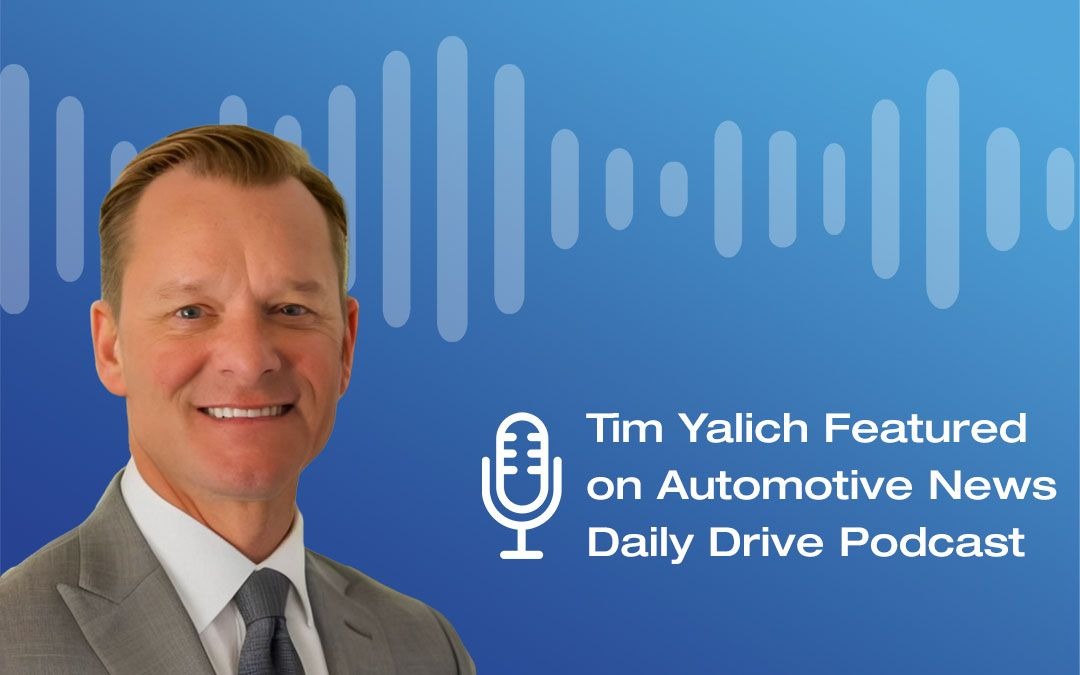
Tim Yalich Featured on Automotive News Daily Drive Podcast

Automotive News, a definitive source of information for leaders in the auto industry, features Carleton’s Vice President of Business Development, Tim Yalich, as a special guest on their podcast, Automotive News Daily Drive. In this episode, they sit down with Tim to discuss the growing challenges dealerships face in quoting accurate lease payments.

Throughout this episode, Tim highlights:

  • The three critical areas a dealership should prioritize when evaluating its lease calculation technology
  • How a dealership can effectively train its sales and F&I teams in understanding the nuances of lease payment structures to avoid common errors
  • The most common dealership misconceptions about lease payment calculations and how to correct them

Listen to the full episode now!

Apple Podcasts: https://apple.co/4oMqCE3

Spotify: https://bit.ly/4pes1Tr

Automotive News Website: https://bit.ly/4nZl084

October 2025 Compliance Updates

Effective State Changes

CALIFORNIA

Assembly Bill 483 was signed into law by Governor Gavin Newsom on October 10, 2025. This bill places new requirements on fixed term installment contracts. AB 483 prohibits an early termination fee unless, at the time of origination, the contract fully explains the total cost of the fee or how the fee would be calculated when the contract is terminated and the highest possible early termination fee that could be charged. Additionally, the bill prohibits an early termination fee or any similar fee that is greater than 30% of the total cost of the contract. Effective August 1, 2026.

Senate Bill 362 amends California’s Commercial Financing Law. The law prohibits lenders of commercial financing products to use the terms “rate” or “interest” in a deceptive way and requires they also disclose the Annual Percentage Rate (APR). A violation of this law would be considered an unfair, deceptive, or abusive act or practice under the California Consumer Financial Protection Law. Effective January 1, 2026.

Senate Bill 446 was signed into law amending provisions of California’s data breach notification laws. This bill requires a qualifying individual or business to disclose within 30 calendar days if a California resident’s personal information is, or was reasonably believed to have been, accessed by an unauthorized individual in a security breach. Disclosure may be delayed to accommodate law enforcement or to restore the integrity of the data system. If more than 500 California residents are affected in the breach, that notification must also be sent to the Attorney General within 15 calendar days of consumer notification. Effective January 1, 2026.

Governor Newsom signed Senate Bill 766—The California Combating Auto Retail Scams (CARS) Act—into law on October 6, 2025. Based on the FTC’s CARS Rule, the new law purports to create more transparency during the vehicle purchasing process and establishes new consumer protections. The CARS Act applies to licensed California motor vehicle dealers and others that satisfy the definition of a “dealer” under the California Vehicle Code. The bill specifically prevents dealers from tacking on add-on services and other features from which the buyer or lessee would not benefit. Amongst other provisions, it requires clear disclosures of a vehicle’s price in advertisements, written communications, and other communications during negotiations with a possible consumer. Finally, the Act provides buyers and lessees a new 3-day right to cancel their purchase or lease of a used vehicle having a retail price equal to or less than $50,000. Effective October 1, 2026.

MAINE

The Maine Department of Administrative and Financial Services has issued new regulations governing the collection and remittance of sales and use taxes on vehicle leases and rentals. These rules, which clarify how taxes should be calculated and who is responsible for payment, apply to leases and rentals of tangible personal property. Effective January 1, 2025.

OHIO

Per Ohio Rev. Code § 4517.261, the Documentary Service Charge is to be annually adjusted using the most recent consumer price index—for 2026, a dealer can charge $398.00. Effective January 1, 2026.

SOUTH CAROLINA

On October 1, 2025, the South Carolina Department of Insurance adopted Orders 2025-003, 2025-004, and 2025-005 confirming Prima Facie Credit A&H and Credit Property insurance rates for 2026.

Under Order 2025-003, the Credit A&H rates for insurance sold in conjunction with consumer credit transactions in 2026 will decrease from the rates in 2025. The 12-month rate per $100 of Initial Insured Indebtedness will be as follows:

  • 14-day Retro: $0.89
  • 30-day Retro: $0.84

Under Order 2025-004, the 3-day retroactive A&H rate for insurance sold in conjunction with loans will decrease to $0.17 per $5.00 of monthly indemnity.

Under Order 2025-005, credit property rates have decreased for Automobile Fire and Theft, Automobile Collision, and Household Goods – Dual Interest. The rate for Household Goods – Single Interest remains the same. Effective January 1, 2026.

New Survey Reveals Divided Trust in AI Loan Compliance Tools Across the Lending Industry

FOR IMMEDIATE RELEASE                                                

For more information contact:
Carleton Sales Team
574.243.6040 option #3
sales@carletoninc.com
 

While lenders recognize AI’s potential to reduce compliance errors, skepticism persists across the industry

SOUTH BEND, IN (September 30, 2025) — Carleton, Inc., a leading provider of compliant loan calculation and disclosure solutions, today released findings from a nationwide survey highlighting the lending industry’s perspectives on artificial intelligence (AI) in loan compliance and error detection. The results reveal a mix of optimism and caution, with many lenders acknowledging AI’s promise but remaining hesitant to fully trust its application in high-stakes compliance processes.

The survey, presented to more than 2,000 lending, banking, auto finance, and fintech professionals throughout the country, found that trust in AI-driven systems remains limited. Only 27% of lenders reported that they completely or mostly trust AI for loan calculations, while 30% remained neutral and 43% expressed only slight trust or no trust at all. This cautious outlook underscores the industry’s continued reliance on proven, compliant systems even as interest in AI accelerates.

Confidence in AI’s compliance impact is similarly mixed. While 43% of lenders agreed or strongly agreed that AI could effectively detect and prevent compliance errors, 28% remained neutral and nearly 30% disagreed. The survey also revealed that compliance issues persist as a regular pain point: one in five lenders reported experiencing compliance-related issues on a regular basis, and nearly a quarter encounter them occasionally.

When asked about their greatest frustrations in the compliance process, the top responses reflected the pressures AI tools are often positioned to address: the risk of making a costly compliance error (26%), the time required to finalize deals (25%), and the complexity of ever-changing regulations (19%). Manual paperwork and lack of transparency with lending partners were also cited as key challenges.

Furthermore, many financial institutions rely on third-party vendors for AI solutions, which introduces additional compliance risks. Without a robust governance framework and clear accountability, it’s difficult to ensure these systems are secure and compliant.

“These findings show that while lenders see potential in AI to strengthen compliance, the trust gap remains significant,” said Tim Yalich, Vice President of Business Development at Carleton. “The industry is rightly cautious, as lenders need assurance that AI-driven systems can deliver the same level of accuracy and reliability as proven compliance solutions. Carleton remains committed to combining innovation with the rigorous compliance standards our partners rely on.”

About Carleton, Inc. 

Carleton is the country’s leading provider of financial calculation software, loan origination compliance support, and document generation software. With over 55 years of experience, our ongoing expertise and industry knowledge reaffirms why Carleton is a trusted partner. Founded in conjunction with the Truth In Lending Act, Carleton provides expert compliance support with continuous accuracy in all our calculations and disclosures at a state and federal level. To learn more about Carleton’s lending solutions, contact our sales team at sales@carletoninc.com or 574-243-6040 option #3.

August & September 2025 Compliance Updates

Effective State Changes

ARIZONA

The State of Arizona’s Department of Insurance and Financial Institutions published on July 31, 2025, matters in regard to new prima facia credit life insurance and credit disability rates.

Credit disability rates are changing as follows:

For Class 1 – Credit Unions – Rates Per $100 Per Annum

14 Retro: $1.33
14 Elim: $1.14
30 Retro: $1.22
30 Elim: $0.84

For Class 2 – Banks, Savings and Loans Institutions and Mortgage Companies – Rates Per $100 Per Annum

14 Retro: $0.80
14 Elim: $0.69
30 Retro: $0.74
30 Elim: $0.51

For Class 3 – Finance Companies, Small Loan Companies, and A.R.S. 6-601(5) Consumer Lenders – Rates Per $100 Per Annum

14 Retro: $0.94
14 Elim: $0.81
30 Retro: $0.87
30 Elim: $0.60

For Class 4 – Dealers, Including Auto, Truck, and Boat Dealers, Retail Stores and other persons selling financed goods – Rates Per $100 Per Annum

14 Retro: $0.34
14 Elim: $0.29
30 Retro: $0.31
30 Elim: $0.21

For Class 5 – All other persons selling credit insurance not specifically listed in the above classes – Rates Per $100 Per Annum

14 Retro: $0.80
14 Elim: $0.69
30 Retro: $0.74
30 Elim: $0.51


Credit life rates are changing as follows:

  • Monthly Outstanding Balance:
    • Single Life: $0.84 per month per $1,000 of outstanding insured debt
    • Joint Lives: $1.39 per month per $1,000 of outstanding insured debt
  • Single Premium:
    • Single Life
      • Decreasing Term Life: $0.36 per year per $1000 indebtedness
      • Level Term Life: $0.83 per year per $1000 original indebtedness
    • Joint
      • 1.65 times (or 165%) of the single life rate

Effective February 1, 2026.

MISSISSIPPI

Pursuant to SB 2803, the Mississippi State Tax Commission finalized regulations (35.VI.1.05) to establish a new exemption for ATVs from ad valorem tax when held by a retailer on a consignment or floor plan basis. An ATV is defined as a motor vehicle that is designed for off-road use and is not required to have a motor vehicle road or bridge privilege license. The ATV designation includes utility task vehicles, also known as side-by-sides, but does not include electric bicycles. Effective January 1, 2026.

NEW HAMPSHIRE

SB 156 allows the Division of Motor Vehicles to contract with a third-party vendor to facilitate the secure electronic transfer of title applications and information. Effective September 13, 2025.

NEW JERSEY

SB 3309 creates the “Motor Vehicle Open Recall Notice and Fair Compensation Act” which changes a franchisor’s compensation for work done by motor vehicle franchisee dealers related to a warranty or manufacturer recall. Effective January 1, 2026.

New Survey Reveals Calculation Errors, Compliance Strains, and Resource Burdens Across the Industry

FOR IMMEDIATE RELEASE                                                

For more information contact:
Carleton Sales Team
574.243.6040 option #3
sales@carletoninc.com


SOUTH BEND, IN (September 3, 2025) — Carleton, Inc., a leading provider of compliant loan calculation and disclosure solutions, today released findings from a nationwide survey highlighting the extent to which lenders face ongoing compliance risks, calculation inaccuracies, and regulatory change management challenges that impact both operations and customer trust.

The survey, presented to more than 2,000 lending, banking, auto finance, and fintech professionals, revealed that over two-thirds of organizations experience loan payment discrepancies weekly or monthly, underscoring the potential for costly errors and compliance exposure. The most common causes cited were miscalculated fees and add-on products (23%), incorrect applications of interest rates or APRs (23%), and human data entry mistakes (21%). Confidence in existing systems also remains low, with 44% of respondents rating their confidence only a 1 or 2 on a five-point scale. Nearly half of all respondents reported that compliance issues such as inaccurate APRs, outdated disclosures, or fee miscalculations had already triggered rework, audit findings, or even legal exposure.

Regulatory change management is another significant pressure point. Sixty percent of respondents said their organizations struggle to keep internal systems and calculations aligned with updates to federal and state lending rules. While only about one-third of organizations reported they can adjust to new requirements in less than a month, nearly a quarter said it takes them three months or more to implement changes. Respondents cited interpreting complex regulations such as TILA, HOEPA, and state usury limits as their top compliance challenge (21%), followed closely by updating and testing loan calculation logic (19%) and coordinating changes across multiple vendor or internal systems (18%).

Complex loan structures further compound the problem. Thirty-one percent of respondents said tiered rates, variable payment schedules, and other intricate structures have a significant negative impact on their processes and often lead to delays and errors. Another 17% described these loan types as a constant source of problems for their organization. Only 14% said their current tools were able to handle complex loans seamlessly.

The operational burden of compliance updates is also evident. More than one quarter of respondents said their organizations require cross-functional teams to stay aligned with regulatory changes, often at the expense of day-to-day efficiency. When asked about the largest frustrations in their daily work, the most frequent response was the risk of making a costly compliance error (26%), followed closely by the time required to finalize deals (25%) and the ongoing complexity of everchanging regulations (19%). Manual paperwork and data entry were also cited as barriers to productivity (16%) with nearly the same proportion of organizations still relying on spreadsheets for loan calculations; a surprising figure given the compliance risks this entails.

Looking ahead, lenders indicated strong demand for improvements that would reduce errors and improve efficiency. The most desired enhancements included more accurate and reliable calculation software (24%), improved reporting and audit readiness (21%), better system integration across CRM, DMS, and LOS platforms (20%), and easier real-time monitoring for compliance violations (20%). Taken together, these findings reveal a sector seeking not only greater accuracy but also simpler, more seamless tools to manage compliance obligations and loan complexities without sacrificing operational speed.

“This survey shines a light on just how much effort lenders continue to put into getting calculations and disclosures right,” said Tim Yalich, Vice President of Business Development at Carleton. “When confidence in systems is low and errors remain frequent, it signals a broader industry problem — one that demands better integration, automation, and proactive compliance monitoring.”

About Carleton, Inc. 

Carleton is the country’s leading provider of financial calculation software, loan origination compliance support, and document generation software. With over 55 years of experience, our ongoing expertise and industry knowledge reaffirms why Carleton is a trusted partner. Founded in conjunction with the Truth In Lending Act, Carleton provides expert compliance support with continuous accuracy in all our calculations and disclosures at a state and federal level. To learn more about Carleton’s lending solutions, contact our sales team at sales@carletoninc.com or 574-243-6040 option #3.